
Catahoula Cur
The Catahoula Cur—often called the Louisiana Catahoula Leopard Dog—is an all-American, multi-purpose working dog known for grit, stamina, and versatility. Historically used to handle stock and to hunt (including baying, trailing, and treeing), the breed is valued for doing difficult work in tough conditions.
At home, Catahoulas often show two sides: serious and focused when working, and more playful or “clownish” with their people. They’re typically not a beginner’s dog, though—independence, protectiveness, and high drive mean they need confident, consistent handling and a real daily job.
Description
The Catahoula Cur is a versatile and energetic working dog known for its intelligence, loyalty, and strong hunting and herding instincts. Originating from the Catahoula Lake region of Louisiana, the breed is often used for herding livestock, hunting game, and as a guardian dog.
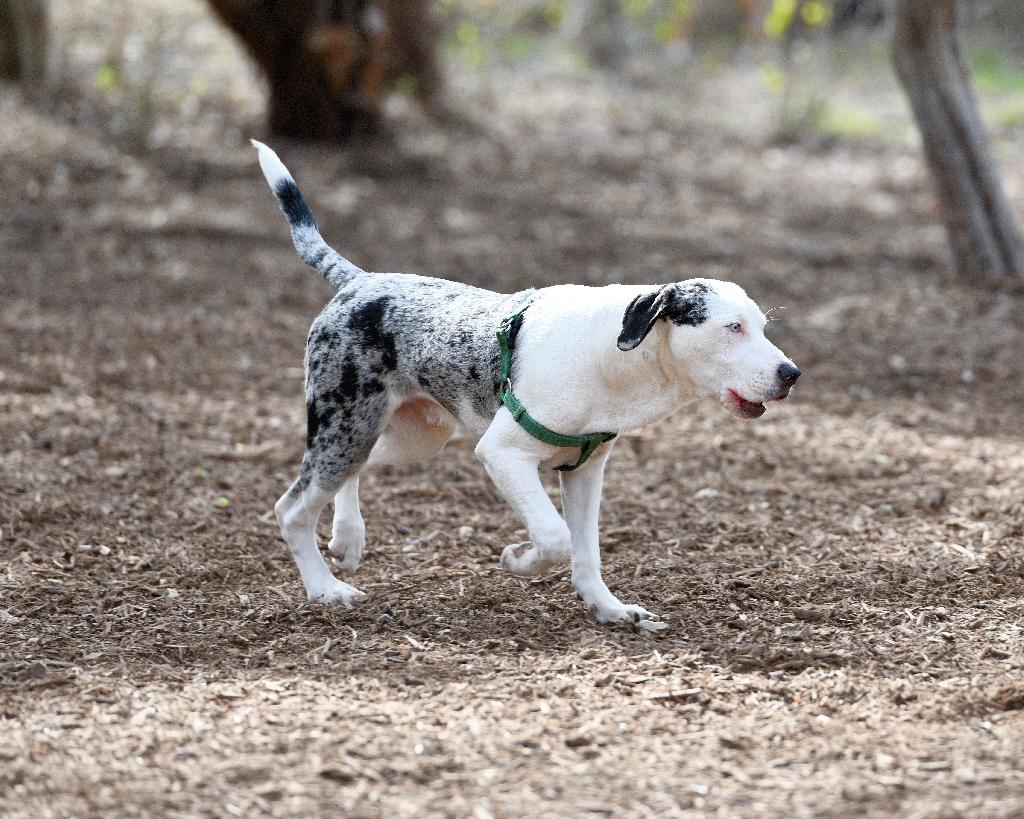
Physically, the Catahoula Cur is a medium to large-sized dog with a strong, athletic build. It has a short, smooth coat that can come in various colors, often with a distinctive merle pattern (a mix of dark and light patches) and bright, striking eyes, which can sometimes be blue, green, or amber. Its ears are typically triangular and stand up, and it has a long, muscular tail.
Temperamentally, the Catahoula Cur is highly intelligent, independent, and protective. It is an excellent working dog, often excelling in herding, tracking, and search-and-rescue tasks due to its strong drive, agility, and keen sense of smell. While it is affectionate with its family, the breed can be reserved or cautious around strangers, making it a good guardian for homes and property.
Training a Catahoula Cur requires consistency and patience, as the breed is independent and can sometimes be stubborn. Early socialization is essential to ensure the dog becomes well-adjusted, especially around other animals and people. The breed is highly active and requires regular exercise to stay happy and healthy, making it a great choice for active owners or those with a need for a working dog.
Overall, the Catahoula Cur is a loyal, hardworking, and protective breed that excels in a variety of tasks. With proper training, socialization, and regular exercise, it makes an excellent companion for experienced dog owners who lead an active lifestyle or have specific working needs.
History
The Catahoula Cur, also known as the Catahoula Leopard Dog, is an American breed with a storied and unique history that reflects the cultural and environmental diversity of Louisiana. Named after Catahoula Parish, the breed is believed to have originated from dogs brought to North America by early Spanish settlers in the 16th century. These European dogs interbred with the native dogs of Indigenous peoples, resulting in a versatile and rugged breed well-suited to the swampy and forested terrain of the southeastern United States.
As Louisiana developed, settlers relied on the Catahoula Cur for its remarkable working abilities. These dogs excelled as herders, capable of managing wild cattle and hogs in dense, challenging environments. The breed's unique ability to form a "canine fence" around herds earned it a reputation as an exceptional stock dog. In addition to its herding skills, the Catahoula was also used for hunting large game, including deer, wild boar, and even black bears, thanks to its keen sense of smell, athleticism, and determination.
The Catahoula’s distinctive appearance, marked by its striking "leopard" coat pattern, glassy or "marbled" eyes, and muscular build, made it a recognizable symbol of the region. Despite its usefulness and adaptability, the breed remained relatively unknown outside of Louisiana until the 20th century. Efforts to preserve and promote the Catahoula began in the mid-1900s, with enthusiasts working to establish breed standards and recognition.
In 1979, the Louisiana State Legislature declared the Catahoula Leopard Dog the official state dog, cementing its status as a cultural icon. Today, the Catahoula Cur is celebrated not only for its historical significance but also for its intelligence, loyalty, and versatility. While still valued as a working dog, it has also become a devoted companion for active families who appreciate its energy and spirit. The breed's history reflects the ruggedness and resilience of the people and landscapes from which it emerged.
Catahoula Cur Hunting Ability and Traditional Roles
Appearance
Catahoulas are medium to medium-large, well-muscled dogs that look athletic rather than bulky. The body is slightly longer than tall, with long enough legs for efficient movement and endurance. The head is broad and powerful, ears are small-to-medium and drop, and the tail is undocked and carried naturally (natural bobtails can occur but are not generally preferred in some standards).
Coats are short to medium and lie close to the body, usually as a single coat. The breed is famous for wide variation in coat patterns and colors—leopard spotting is common, but solids, brindles, and patchwork patterns also appear. Eye color is equally variable; “glass” (light/blue) eyes and mixed eyes can occur.
Adults often fall around the low-to-mid 20s inches at the shoulder, with weight commonly in the 50–95 lb range depending on sex, height, and working build.
Colors
• Black
• Blue
• Blue Merle
• Brindle
• Chocolate
• Gray
• Patchwork
• Quad-color
• Red
• Red Merle
• Tricolored
• White
• White Merle
• Yellow
• Yellow Merle
Health
Catahoulas are generally tough working dogs, but they can still experience common canine health concerns. Keeping them lean and well-conditioned supports joint health and long-term working ability.
Discuss with breeders or rescues any history of orthopedic issues (hips/elbows), eye problems, and skin/allergy concerns. Because light eyes and merle/leopard patterning occur, it’s also wise to ask about hearing and vision in the line and to have routine veterinary screening.
Routine care—vaccines, parasite prevention, dental care, and prompt treatment of field injuries—matters a lot for dogs that spend time in brush, water, and rough terrain.
Care
Daily exercise has to be substantial and purposeful: long walks, running, hiking, structured tug, and especially nose/brain work like tracking games or scent puzzles. Many Catahoulas also benefit from a job that uses their natural talents (farm chores, controlled stock work, or structured hunting-style games).
Grooming is minimal. The coat typically needs occasional brushing and normal maintenance like nail trimming, ear checks, and dental care. Because these dogs can be powerful and energetic, invest in good equipment (sturdy leash, secure crate, durable toys) and secure containment.
For dogs that work outdoors, prioritize parasite prevention and regular checks for cuts, abrasions, and paw issues. Heat management is important in warm climates: water access, shade, and sensible work/rest cycles.
Training
Training should start early and be consistent. Many Catahoulas are smart and capable, but they’re not usually eager-to-please in the way some herding breeds are; they respond best to clear communication, fair boundaries, and meaningful rewards.
Prioritize household control skills: reliable recall, leash manners, impulse control, and “place/settle.” Because protectiveness can be part of the temperament, calm, structured socialization is essential—teach neutrality and give the dog a predictable plan for meeting strangers.
If you plan to hunt or do stock work, work with trainers who understand working curs. Channeled drive makes everything easier; unmanaged drive becomes a daily battle.
Temperament
Catahoulas are typically independent, intense, and highly aware of their environment. Many are naturally protective and territorial, and it’s common for them to be aloof with strangers rather than immediately friendly.
They bond strongly with their household and can be affectionate and gentle with family, but they usually need clear rules and early socialization to develop stable, neutral behavior around visitors and in public. Their working background often comes with strong prey drive and persistence—once engaged, they don’t quit easily.
They’re best in homes that can provide confident leadership, training that emphasizes control and calm, and outlets that satisfy their need to work.
Lifestyle
This breed fits best with active, experienced owners who can provide both structure and real daily outlets. A Catahoula can adapt to suburban life, but only if exercise, training, and containment are taken seriously—many individuals will roam if given an opening.
They often prefer having “territory” to manage and can be watchful at home. That can be a feature or a bug depending on your neighborhood, visitors, and tolerance for a dog that notices everything.
They typically do best when included in daily life and given a predictable routine. Long idle days without enrichment often lead to problem behaviors like destructiveness or boundary testing.
Ownership
Owning a Catahoula Cur is a commitment to management and training. Expect to spend time building obedience, teaching calm behavior, and providing safe outlets for drive and working instincts.
Look for breeders who can explain what their dogs are selected for (stock work, baying, hunting, temperament), and who provide health history and stable adult examples. If adopting, assume independence and drive; plan for secure fencing and a thoughtful introduction process with other pets.
If you want a highly social “dog park” type, this usually isn’t it. If you want a tough, versatile working partner and you enjoy structured training, the Catahoula can be a remarkable dog.
Interesting Facts
- Also known as: Louisiana Catahoula Leopard Dog.
- Traditional work: stock dog, bay dog, tree dog, watch/guard, and versatile hunting partner.
- Coat: short to medium, typically a single coat.
- Colors/patterns: very diverse; leopard spotting is common but not required.
- Eyes: can be any color or combination; “glass” (light/blue) and mixed eyes can occur.
- Typical size: medium to medium-large (often ~50–95 lb, depending on build and line).