
Anatolian Shepherd Dog
Basics
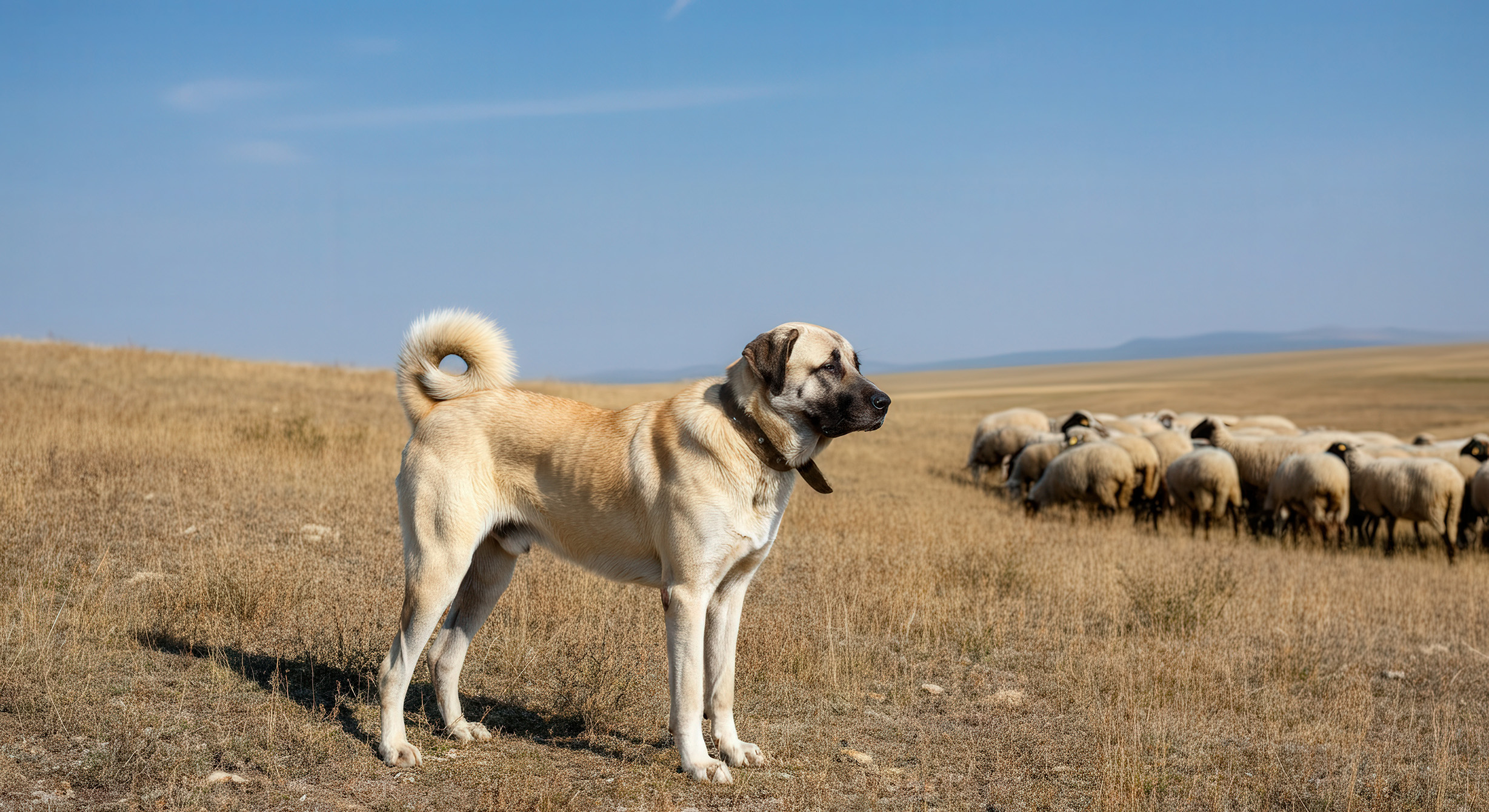
The Anatolian Shepherd Dog is a large, rugged livestock guardian developed to live with and protect flocks. Rather than herding, the breed’s traditional job is to deter predators and handle long hours outdoors, making sound judgment decisions without constant direction.
They tend to be devoted to their own people and territory, with a calm, watchful presence when mature. This is not a “do-everything-for-you” companion breed—success usually comes from experienced, consistent ownership and a lifestyle that matches their guardian instincts.
Description
The Anatolian Shepherd Dog is a powerful, rugged, and highly intelligent breed originally developed to guard livestock in the harsh, mountainous regions of Turkey. Known for its independence and protective instincts, the Anatolian Shepherd is a natural guardian, bred to protect sheep and other livestock from predators such as wolves, bears, and jackals.
This breed is large and muscular, typically standing between 27–30 inches (69–76 cm) at the shoulder and weighing 90–150 pounds (41–68 kg), with males being larger than females. They have a short to medium coat that can be fawn, brindle, or white, and often features a distinctive black mask on the face.
Anatolian Shepherds are independent, alert, and loyal, with a strong sense of territoriality. They are very protective of their families and can be reserved or even aloof with strangers. Because they were bred to work alone or in small groups, they are often less social than some other breeds and may not always be eager to interact with unfamiliar people. However, with proper socialization, they can be affectionate and well-behaved with their family and other pets.
As a working breed, the Anatolian Shepherd is intelligent and trainable, but they can also be stubborn and require firm, consistent leadership. They are best suited for experienced dog owners who understand the breed's natural instincts and need for both mental and physical stimulation.
Anatolian Shepherds require regular exercise and enjoy having a "job" to do, whether it's guarding property, herding livestock, or participating in activities like agility. They thrive in rural or suburban environments with plenty of space, though they need secure fencing due to their independent nature and potential to roam.
The Anatolian Shepherd is a dedicated and capable working dog, ideal for families or individuals seeking a natural protector for livestock, property, or home security. With proper training and socialization, they can be loving companions for those who respect their independence and unique needs.
History
The Anatolian Shepherd Dog is an ancient livestock guardian breed whose origins trace back thousands of years to the rugged terrain of what is now modern-day Turkey. Archaeological evidence, including artifacts and carvings, suggests that large guardian dogs have inhabited the region since at least 2000 BCE. Bred primarily by nomadic shepherds, these hardy canines were tasked with protecting flocks of sheep and goats from formidable predators such as wolves, bears, and even lions in centuries past. Their adaptation to harsh climates, resource-scarce environments, and the constant threat of predators helped shape the Anatolian Shepherd’s renowned independence, intelligence, and fierce protective instincts.
Over the centuries, the breed developed into several regionally distinct guardian types, often collectively referred to as “Çoban Köpeği,” meaning “shepherd dog” in Turkish. Shepherds in different parts of Anatolia selectively bred their dogs for particular traits—size, stamina, and strong protective drive—resulting in dogs well-suited for the conditions of each region. Regardless of these variations, Anatolian Shepherd Dogs remained close to their working roots: living among livestock, forging a bond of mutual trust with both animals and herders, and ensuring the security of entire communities dependent on the success of their flocks.
The breed began to draw international interest in the mid-20th century. Western travelers and military personnel stationed in Turkey encountered Anatolian Shepherd Dogs and were impressed by their strength, loyalty, and effectiveness as guardians. Small numbers of dogs were brought to the United States and the United Kingdom, sparking breeding programs aimed at preserving their working qualities. Despite limited importation, the Anatolian Shepherd’s reputation grew, and the American Kennel Club (AKC) granted official recognition to the breed in 1996.
Today, the Anatolian Shepherd Dog continues to serve as a working guardian in many parts of the world, particularly on farms and ranches that rely on predator control. Its measured temperament and innate protectiveness have also made it a respected companion animal, although its independent nature and size require experienced owners who understand the responsibilities of keeping a livestock guardian. Even as modern breeding programs refine certain traits, the Anatolian Shepherd remains deeply rooted in its ancient pastoral heritage, symbolizing the enduring partnership between humans and dogs in protecting valuable livestock.
Traditional Anatolian Shepherd Dog Roles
Appearance
Anatolians are tall, powerfully built dogs with a broad, heavy head and a functional, athletic outline. The body is strong and well-muscled without looking bulky or slow, reflecting an emphasis on stamina and efficient movement.
The coat is short and dense with an insulating undercoat, designed to cope with both heat and cold. Standards allow a wide range of colors (often with a dark mask), and the overall look is that of a no-nonsense working guardian rather than a flashy show dog.
Colors
• Blue Fawn
• Brindle
• Fawn
• Gray Fawn
• Liver
• Red Fawn
• White
• White & Biscuit
Health
The Anatolian Shepherd Dog is generally described as a hardy, heat-and-cold-tolerant working breed, but large size brings predictable concerns. Work with your veterinarian on growth management in puppies, maintaining a lean body condition, and discussing appropriate orthopedic screening for your dog’s lines.
Also plan for practical, guardian-dog health needs: tick exposure, minor injuries from rough terrain, and emergency readiness for bloat-like symptoms in deep-chested, large breeds. Good conditioning, routine checks, and prompt care after hard activity go a long way.
Care
Daily exercise and purposeful engagement help keep an Anatolian balanced—think long walks, property patrol-style outings, and low-impact conditioning rather than endless fetch. Mental outlets (training games, scent work, structured routines) can reduce boredom-related guarding behaviors.
Grooming is generally moderate: regular brushing, heavier shedding seasonally, plus routine nail trims, dental care, and ear checks. Because many live outdoors or spend time on acreage, consistent parasite prevention and frequent coat/skin checks are especially important.
Training
Training should begin early with socialization that is broad but controlled: calm exposure to visitors, handling, different environments, and predictable routines. Focus on impulse control, neutrality, and boundary skills (doorways, fences, vehicle loading) before you worry about tricks.
Use clear rules and rewards-based methods; intimidation tends to backfire with a confident guardian breed. Reliability comes from repetition, management (fences, leashes, gates), and teaching the dog what “normal” looks like so it doesn’t feel responsible for deciding everything on its own.
Temperament
A well-bred Anatolian is typically steady, confident, and naturally protective. They’re often bold without being needlessly aggressive, and they can be reserved with strangers while remaining deeply loyal to their family.
Independence is a defining trait: these dogs were selected to think for themselves. That independence can read as stubbornness in a pet home, so owners should expect a dog that evaluates requests rather than automatically complying, especially if the dog believes there’s a “security” issue to manage.
Lifestyle
Most Anatolians do best in a home with space and a real “job,” even if that job is simply calm property guardian duty with structured exercise and training. They’re typically not ideal for busy dog parks, off-leash public areas, or households that want a universally social, always-welcoming dog.
Secure fencing is non-negotiable: their territorial instincts and independent nature can lead to patrolling and boundary testing. Apartment living is usually a poor fit unless the owner has exceptional experience and can control noise, visitors, and daily exercise with near-perfect consistency.
Ownership
Owning an Anatolian Shepherd Dog is a commitment to management as much as affection. Expect to invest in secure containment, thoughtful visitor protocols, and ongoing training that emphasizes calm behavior and clear boundaries.
If you’re considering the breed for livestock guarding, seek mentors and breeders who actively work their dogs and can match you with appropriate temperament and drive. For a companion home, ask pointed questions about the dog’s reactivity, same-sex dog tolerance, and how the dog behaves around fences, delivery people, and children.
Interesting Facts
- A livestock guardian breed bred to protect flocks rather than herd them.
- Typically large, tall, and powerfully built with a broad head and athletic movement.
- Short, dense coat with undercoat; bred to tolerate both heat and cold.
- Temperament is usually steady and confident, often reserved with strangers.
- Strong independence is normal—training and management must start early.
- Secure fencing and clear household boundaries are key to successful ownership.