
Cardigan Welsh Corgi
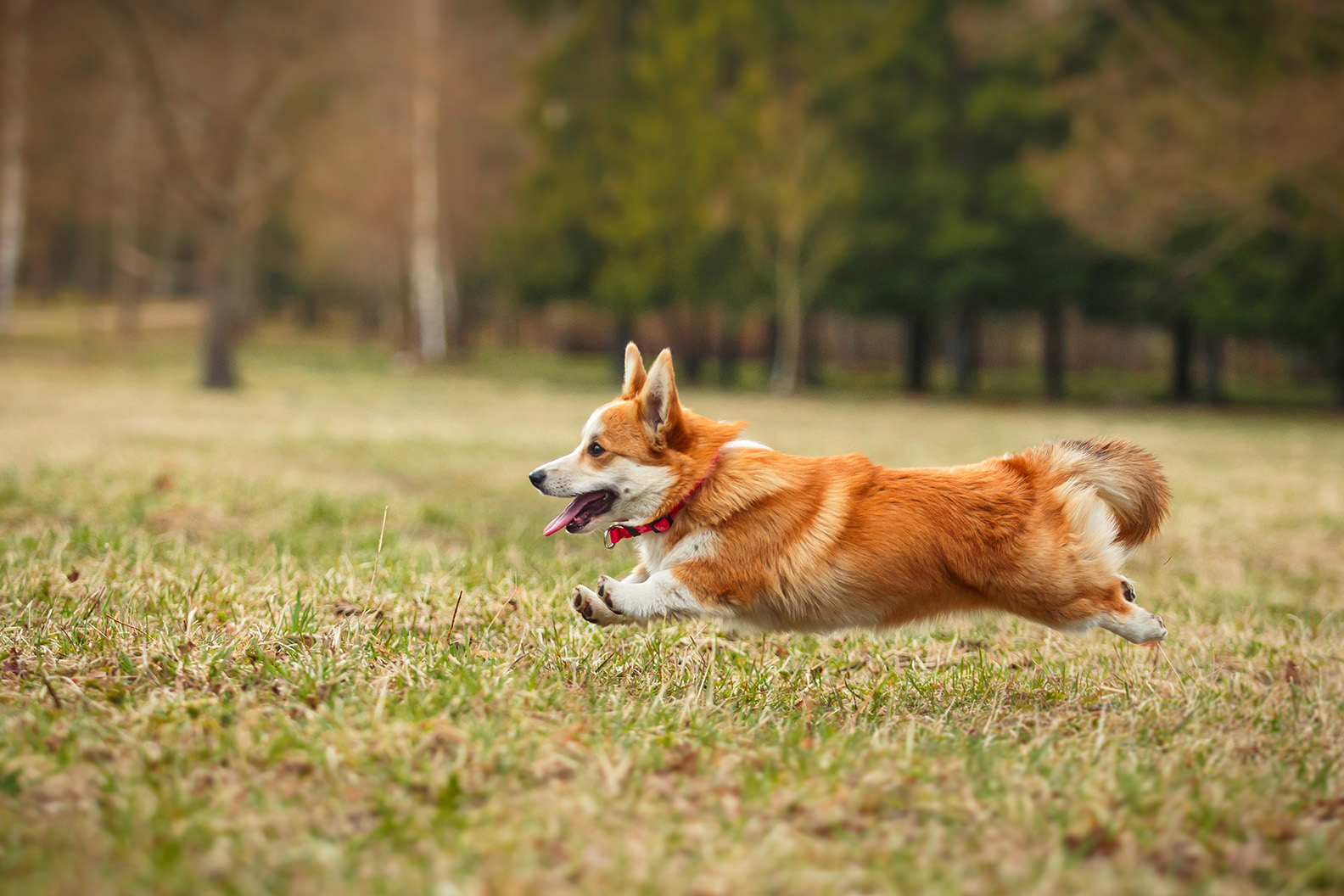
Basics
The Cardigan Welsh Corgi is a small-but-sturdy herding dog developed in Wales to move cattle and serve as an all-purpose farm companion. It’s built low to the ground for safety around kicking livestock, but it’s far from a “toy” dog—Cardigans are working dogs in a compact package.
In family life, they’re often bright, personable, and deeply bonded to their people. They tend to be alert watchdogs with a herder’s habit of noticing (and commenting on) everything, and they do best with owners who enjoy training and daily engagement.
Description
The Cardigan Welsh Corgi is a small but sturdy herding dog from Wales, known for its intelligence, loyalty, and energetic personality. It is one of the two Corgi breeds, the other being the Pembroke Welsh Corgi. While they share similar traits, the Cardigan has a few distinct differences, including its larger, rounder ears and a bushy tail that is often not docked.
Physically, the Cardigan Welsh Corgi is low to the ground, with a compact, muscular build. It has a thick double coat that can come in various colors, including red, brindle, black, and blue merle, with or without white markings. Its long body and short legs are characteristic of the breed, designed for herding livestock and moving quickly across the ground.
Temperamentally, Cardigans are intelligent, independent, and affectionate. They are loyal to their families and enjoy being involved in all activities, though they may be reserved or cautious around strangers. With proper socialization, they are good with children and other pets, though their herding instincts may lead them to nip at heels or chase.
Training a Cardigan Welsh Corgi is relatively easy due to their intelligence and eagerness to please, though they can be independent and somewhat stubborn at times. Early socialization and consistent, positive training are important to ensure they grow into well-rounded dogs.
Cardigans are active and require regular exercise to stay healthy and happy. They enjoy walking, playing, and mental stimulation, making them a good fit for active families or individuals. Their herding instinct can also make them great candidates for dog sports like obedience, agility, and herding trials.
Overall, the Cardigan Welsh Corgi is a loyal, intelligent, and energetic breed that excels as both a working dog and a family companion. With the right amount of exercise and mental stimulation, it can be a delightful and loving pet.
History
The Cardigan Welsh Corgi is one of the oldest dog breeds in the British Isles, with a history that stretches back over 1,000 years. Originating in Wales, the breed's ancestors are believed to have been brought to Britain by Celtic tribes migrating from Central Europe. The name "Corgi" likely stems from the Welsh words *"cor"* (dwarf) and *"ci"* (dog), reflecting the breed's small stature and long-standing role as a working dog. Cardigan Welsh Corgis were initially bred for herding cattle and other livestock, excelling in their ability to nip at heels while avoiding kicks due to their low-to-the-ground build.
The breed's heritage is deeply rooted in the rural culture of Cardiganshire (now part of Ceredigion), a region in southwest Wales. Unlike their close relatives, the Pembroke Welsh Corgis, Cardigans are distinguished by their long tails and slightly larger, more rounded ears. Historically, they were prized not only for their herding abilities but also as all-around farm dogs, adept at guarding property and assisting in various agricultural tasks. Their intelligence, agility, and adaptability made them indispensable companions for Welsh farmers.
The 19th and early 20th centuries brought significant changes to rural life in Wales, including the decline of traditional farming practices. As a result, the Cardigan Welsh Corgi's numbers began to dwindle. However, dedicated breeders in the early 20th century worked to preserve the breed. In 1925, the Cardigan Welsh Corgi was formally recognized by The Kennel Club in the United Kingdom. Initially, the Cardigan and Pembroke Welsh Corgis were classified as a single breed, but in 1934, they were officially separated into two distinct breeds due to their physical and historical differences.
Today, the Cardigan Welsh Corgi is celebrated for its intelligence, affectionate nature, and versatility. While it retains its working instincts, the breed has also found a place in modern homes as a loyal family companion. The Cardigan’s enduring popularity is a testament to its adaptability and the efforts of those who have worked tirelessly to preserve this ancient and cherished breed.
Traditional Cardigan Welsh Corgi Roles
Appearance
Cardigans are long-bodied and low-set with substantial bone and a strong chest—more rugged than delicate. A key hallmark is the long, fox-like tail (Cardigans are a naturally tailed corgi), paired with large, expressive ears and a keen, intelligent look.
They wear a weather-resistant double coat that can come in a wide range of colors and patterns. Despite the short legs, they are surprisingly athletic and agile when kept lean and conditioned.
Colors
• Black & White
• Blue Merle & White
• Brindle & White
• Brindle Merle & White
• Gray & White
• Liver & White
• Red & White
• Red Merle & White
• Sable & White
• Sable Merle & White
• White Merle
Health
Cardigan Welsh Corgis are generally sturdy, but owners should still plan for routine veterinary care and keep the dog lean to protect joints and the spine. Good breeders focus on preserving sound movement and stable temperament, not just a cute silhouette.
Before buying a puppy, ask what health tests are performed and request documentation. Choosing a responsible breeder and maintaining a healthy adult weight are two of the biggest factors you can control for long-term wellbeing.
Care
Their double coat sheds, and many owners notice heavier seasonal shedding. A consistent brushing routine (and extra brushing during coat blows) keeps the coat healthy and helps manage hair around the house.
Because Cardigans are long-backed, conditioning and weight management matter. Keep nails trimmed, maintain dental care, and be mindful about repetitive high-impact jumping—especially in puppies—while still providing regular exercise to keep muscles strong and supportive.
Training
Cardigans are usually quick learners and respond very well to positive, structured training. They tend to enjoy having a job, whether that’s obedience, rally, agility, trick work, or herding-style games that channel their instincts appropriately.
Early training should emphasize polite leash walking, calm greetings, and impulse control around running kids, bikes, and other animals. Teaching a solid recall and a reliable “leave it” helps prevent the classic herder behaviors of chasing and nipping at moving heels.
Temperament
Most Cardigans are confident, clever, and people-oriented, with a steady “think first” temperament compared with some more high-strung herders. They’re usually friendly with family and familiar friends, but can be reserved at first with strangers.
Herding instincts can show up as chasing movement or trying to control kids and other pets, especially without training. With good socialization and clear rules, they’re typically adaptable, humorous companions who enjoy being part of everyday life.
Lifestyle
This breed fits well into active households that want a smaller dog with “big dog” enthusiasm for training and daily adventures. They enjoy walks and play, but they also need mental work—without it, they’ll often invent their own entertainment.
Cardigans can adapt to many living situations, including apartments, as long as they get consistent exercise and are trained to settle. Expect an alert barker if you don’t teach quiet behaviors early; they naturally like to announce what’s happening.
Ownership
Cardigan ownership is easiest when you embrace the breed as a herding dog: give them structure, training, and appropriate outlets. They’re typically devoted and comical companions, but they do best with owners who won’t let “small dog” size excuse rude behaviors.
If you want a compact dog that’s still eager to work and learn, the Cardigan can be a fantastic choice. If you want a laid-back, low-shedding couch dog, you’ll probably be happier with a different breed.
Interesting Facts
• Welsh cattle-herding breed: low to the ground, built for farm work.
• Naturally long tail (a common way to distinguish from the Pembroke).
• Smart, trainable, and often very people-focused.
• Double coat with regular shedding and seasonal coat blows.
• Herding instincts can include chasing and heel-nipping if not trained.
• Can excel in dog sports like obedience, rally, agility, and herding activities.