
Finnish Lapphund
Basics
The Finnish Lapphund is a medium-sized, Spitz-type herding dog that developed in the far north as a reindeer herder for the Sami people. That background produced a dog built for stamina in harsh weather—thickly coated, people-oriented, and ready to work for long stretches.
Today they’re typically kept as companions and sport dogs, but they still carry classic herding-dog traits: attentiveness, a desire to stay close to their person, and a tendency to “talk” (bark) when excited or on alert.
Description
The Finnish Lapphund is a medium-sized herding breed that originated in Finland, where it was traditionally used by the Sami people to herd reindeer. This versatile and hardworking dog has a long history of thriving in the Arctic climate, thanks to its thick double coat and hardy nature. Today, the Finnish Lapphund is celebrated not only for its herding skills but also for its affectionate and adaptable temperament, making it a wonderful companion for active families.
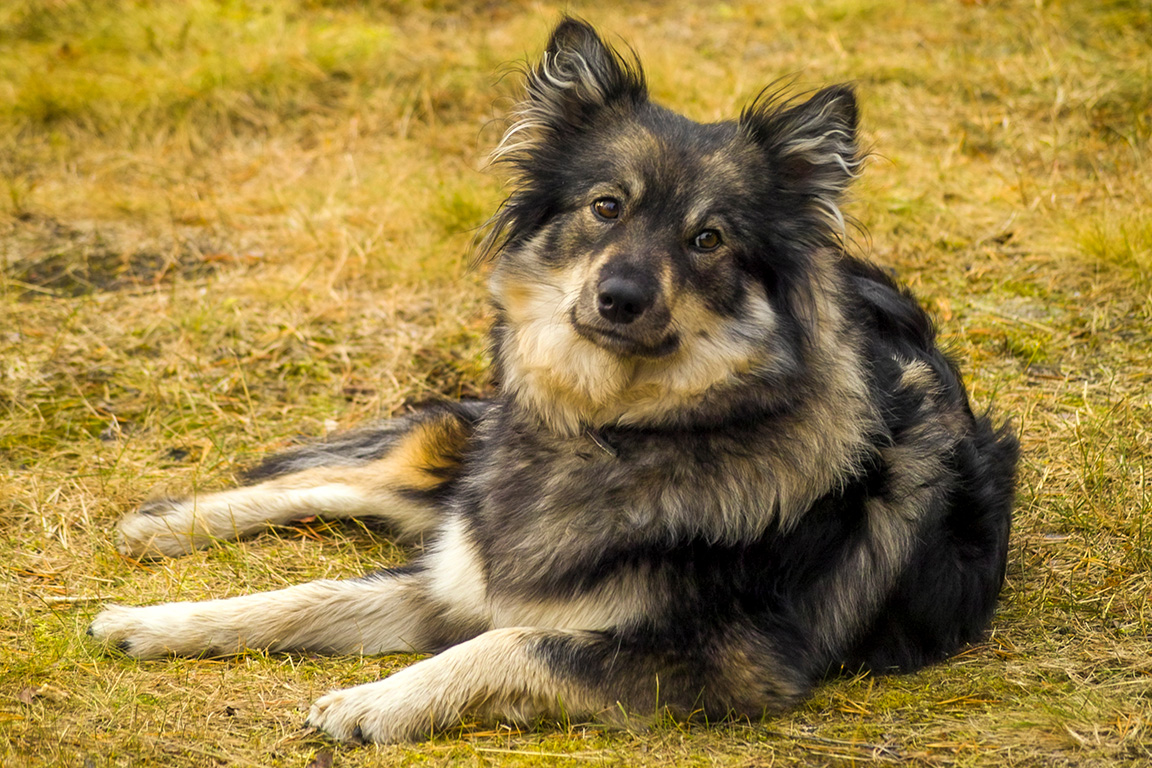
Physically, the Finnish Lapphund is a compact and sturdy dog, typically standing between 16 to 21 inches tall and weighing 33 to 53 pounds. It is instantly recognizable by its thick, weather-resistant double coat, which comes in a variety of colors, often with striking markings. The breed’s pointed ears, bushy tail, and expressive, almond-shaped eyes give it a distinctive Nordic appearance. The coat requires regular grooming to prevent matting and to manage shedding, which can be significant during seasonal changes.
The breed is known for its friendly and gentle temperament. Finnish Lapphunds are highly social and form strong bonds with their families. They are intelligent and eager to please, making them relatively easy to train. While calm and good-natured, they remain alert and cautious around strangers, qualities that make them excellent watchdogs without being overly aggressive. The breed’s natural herding instincts may still show, particularly in play, but they are generally well-mannered and tolerant with children and other pets.
As a working dog, the Finnish Lapphund thrives on physical and mental stimulation. It enjoys activities like hiking, agility training, and obedience work, all of which tap into its natural intelligence and athleticism. Though it is adaptable and can live in various environments, this breed requires regular exercise to stay healthy and happy. Without enough activity, it may become bored or restless.
Overall, the Finnish Lapphund is a resilient, affectionate, and versatile breed. Its blend of intelligence, loyalty, and adaptability makes it a great choice for active families or individuals who appreciate its rich heritage and are committed to meeting its physical and emotional needs. Whether as a working dog or a beloved companion, the Finnish Lapphund brings energy, joy, and devotion to any home.
History
The Finnish Lapphund, or *Suomenlapinkoira*, is a versatile and ancient breed with a history rooted in the Arctic regions of Finland, where it was originally developed by the indigenous Sámi people. For centuries, this hardy and intelligent dog played a crucial role in Sámi culture, primarily as a herder and protector of reindeer. The Finnish Lapphund’s endurance and adaptability made it well-suited to the harsh climates and challenging terrain of the far north, where temperatures can plummet and snow blankets the landscape for much of the year.
The breed’s exact origins are unclear, but its ancestors likely include spitz-type dogs brought to the region thousands of years ago. Over time, these dogs were selectively bred by the Sámi for their ability to herd reindeer, as well as for their loyalty and companionship. Finnish Lapphunds were not only working dogs but also integral members of Sámi families, known for their gentle and friendly disposition.
In the 20th century, changes in reindeer herding practices, including the mechanization of herding, reduced the reliance on traditional herding dogs like the Finnish Lapphund. However, the breed’s value as a companion and its cultural significance led to preservation efforts. The Finnish Kennel Club officially recognized the breed in 1945, and its popularity as a family pet and show dog grew in Finland and beyond.
Today, the Finnish Lapphund is celebrated for its versatility, intelligence, and affectionate nature. While it retains its herding instincts, it is equally at home as a loyal family companion. Its rich history as a working dog of the Arctic and its close ties to the Sámi people make the Finnish Lapphund a symbol of resilience and adaptability, beloved by dog enthusiasts worldwide.
Traditional Finnish Lapphund Roles
Appearance
Finnish Lapphunds are sturdily built and close to square in outline, with a foxlike wedge-shaped head and expressive, kind eyes. The tail is set high and commonly curls over the back in motion.
The breed’s hallmark is a profuse, weather-resistant double coat: a longer, coarser outer coat and a soft, dense undercoat. Colors can vary widely; standards allow all colors as long as one color predominates, often with additional markings on the head, chest, legs, and tail tip.
Colors
• Black
• Blue
• Brown
• Cream
• Lilac
Health
Finnish Lapphunds are generally considered a healthy breed with a typical medium-dog lifespan, but they can be predisposed to a few conditions. Commonly discussed concerns include hip dysplasia, elbow dysplasia, and progressive retinal atrophy (PRA).
Choose breeders who can show current orthopedic and eye screening, and ask what conditions they monitor in their lines. For owners, the best everyday “health plan” is keeping the dog fit and lean, noticing early signs of joint discomfort or vision changes, and partnering with a veterinarian for preventive care.
Care
Coat care is mostly about routine brushing. A thorough weekly brush-out helps prevent mats (especially behind ears, under legs, and in the ruff), and during seasonal shedding the undercoat may need more frequent sessions.
Beyond grooming, prioritize steady daily exercise and maintaining a lean body condition. A thick-coated northern breed can overheat in hot weather, so plan summer activity for cooler hours and provide shade, water, and recovery time.
Training
Finnish Lapphunds are bright and generally willing, but like many herding breeds they can be independent and easily bored by repetitive drilling. Keep training sessions short, upbeat, and skill-focused, and use rewards the dog finds meaningful (food, toys, or access to play).
Start early with socialization and foundational manners—recall, leash skills, calm settling, and handling for grooming. Many enjoy outlets such as obedience, rally, agility, tracking/scent work, and (where available) herding lessons.
Temperament
Lapphunds are often described as affectionate, intelligent, and adaptable—dogs that want to participate in family life and generally do well with considerate children and other dogs. They tend to be watchful rather than sharp, more likely to announce visitors than to show true aggression.
Because barking was useful for herding communication, many Finnish Lapphunds are naturally vocal. With early training and enough daily activity, the breed’s “commentary” can be managed, but owners should expect a communicative dog.
Lifestyle
This breed tends to thrive with owners who want a companion for daily walks, hikes, and training games—active, but not usually a nonstop endurance machine. Many do well with roughly an hour (or more) of combined physical and mental work most days, adjusted for age and individual drive.
They can be a poor fit for shared-wall living if barking isn’t actively trained and managed. A securely fenced area or consistent leash habits are important, since herding instincts and prey-chase interest can kick in quickly outdoors.
Ownership
Owning a Finnish Lapphund means committing to both coat management and a training plan that addresses vocalizing, recall, and polite behavior around distractions. They often bond closely, so long hours of isolation can lead to nuisance behaviors (barking, chewing) if their social and enrichment needs aren’t met.
Look for breeders or rescues who emphasize stable temperament, early socialization, and health screening. If you enjoy an engaged, friendly dog that’s happy to learn and be included, the Lapphund can be an exceptionally rewarding partner.
Interesting Facts
• Developed in the far north as a reindeer-herding dog for the Sami people.
• Medium-sized Spitz type with a profuse, weatherproof double coat.
• Naturally vocal; barking was historically part of herding communication.
• Tail is typically carried curled over the back when moving.
• All colors are allowed in standards, but one color should predominate.
• Commonly discussed health concerns include hip/elbow dysplasia and PRA.