
Polish Lowland Sheepdog
Basics
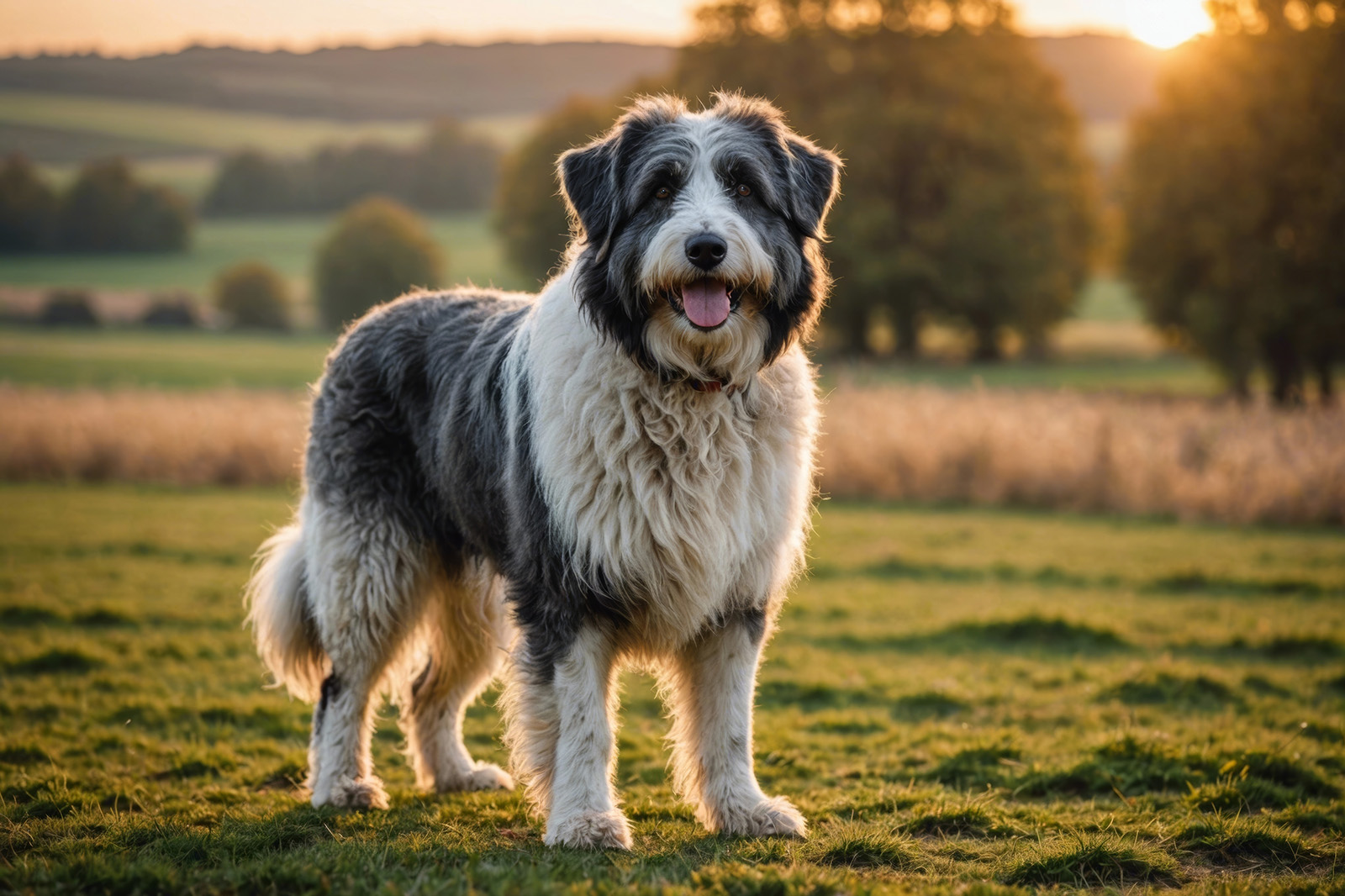
The Polish Lowland Sheepdog (Polski Owczarek Nizinny, often “PON”) is a medium-sized, shaggy herding dog from Poland. Bred to move and manage livestock, it combines a sturdy build with quick thinking and a strong sense of independence—traits that helped it work in challenging weather and varied terrain.
In modern homes, the PON is usually an active, devoted companion that wants both physical work and mental engagement. It’s not a passive “couch dog,” but in the right household it’s an entertaining, loyal partner with real working-dog intelligence.
Description
The Polish Lowland Sheepdog, or PON (Polski Owczarek Nizinny), is a medium-sized herding dog known for its intelligence, versatility, and distinctive shaggy appearance. Originating in Poland, this ancient breed has been valued for centuries as a hardworking and reliable companion on farms. The PON was traditionally used to herd and guard livestock, prized for its ability to think independently and respond effectively to the demands of shepherding in Poland’s varied landscapes. Today, it is also a popular companion dog, admired for its loyal and playful nature.
Physically, the Polish Lowland Sheepdog is sturdy and well-proportioned, standing 17 to 20 inches tall and weighing between 30 and 50 pounds. Its most striking feature is its long, thick, and slightly wavy double coat, which comes in a variety of colors, including white with gray, black, or brown markings. The coat provides protection from harsh weather and gives the breed its characteristic shaggy look, often obscuring its expressive eyes. Despite the heavy coat, the PON is agile and energetic, with a strong, balanced frame suited for its working heritage.
In terms of temperament, the Polish Lowland Sheepdog is intelligent, lively, and devoted to its family. These dogs are quick learners, making them highly trainable, though their independent streak can sometimes pose a challenge. They thrive on mental stimulation and enjoy tasks that engage their problem-solving abilities. As a herding breed, PONs are naturally alert and may be reserved with strangers, though they are rarely aggressive. With their loved ones, they are affectionate, playful, and eager to please, making them excellent companions for active families.
The PON requires regular exercise and consistent grooming to keep its coat in good condition and to ensure it remains healthy and happy. Activities such as obedience training, agility, and herding trials suit their natural abilities and keep them mentally stimulated. While their herding instincts are still strong, they have adapted well to modern family life, making them versatile pets. With their endearing personality, striking appearance, and rich history, the Polish Lowland Sheepdog is a breed that continues to capture the hearts of dog lovers worldwide.
History
The Polish Lowland Sheepdog, or Polski Owczarek Nizinny (PON), is an ancient herding breed with origins that can be traced back to the lowlands of Poland in the early Middle Ages. This medium-sized, shaggy-coated dog was bred by Polish shepherds to herd and guard livestock, particularly sheep, in the open plains and pastures. Its intelligence, agility, and strong work ethic made it an indispensable companion for farmers and shepherds managing large flocks.
The breed is believed to have descended from ancient herding dogs brought to Poland by nomadic tribes and traders. It shares ancestry with other European herding breeds, such as the Hungarian Puli and the Tibetan Terrier. By the 16th century, the Polish Lowland Sheepdog had become well-established in Poland, valued for its ability to work independently, often making decisions without direct human guidance. Its dense, weather-resistant coat protected it from the harsh climates of the region, while its loyal and alert nature made it an excellent guard dog.
The Polish Lowland Sheepdog’s numbers declined dramatically during World War II, as the war devastated Poland and disrupted traditional agricultural practices. The breed was on the brink of extinction, but dedicated breeders, including Dr. Danuta Hryniewicz, played a crucial role in its revival. After the war, Hryniewicz collected the remaining PONs and began a meticulous breeding program to restore the breed. Her efforts led to the establishment of a formal breed standard, and the Polish Kennel Club officially recognized the PON in 1957.
Today, the Polish Lowland Sheepdog is celebrated not only as a working dog but also as a loyal and intelligent companion. It has gained popularity outside of Poland, particularly in Europe and North America, where it is appreciated for its versatility and friendly temperament. The breed’s history reflects its resilience and the dedication of those who worked to preserve its unique heritage and working abilities.
Traditional Polish Lowland Sheepdog Roles
Appearance
The PON is compact, strong, and slightly rectangular in outline, with a solid bone structure that reflects its working purpose. The head is carried with a confident, alert look, and the breed is known for a profuse coat that can cover the eyes, giving the classic “mop-dog” silhouette.
The coat is long and dense with a soft undercoat and harsher outer hair, built for outdoor work. Color is variable and the breed is not meant to look delicate—movement should be efficient and ground-covering, showing endurance rather than flash.
Colors
• Beige
• Black
• Black & White
• Brown
• Grey
• Tricolored
Health
As with many medium herding breeds, the biggest health lever is responsible breeding and good screening, backed by long-term knowledge of a line. Ask for documentation of orthopedic evaluations (hips in particular) and eye testing, and discuss any family history of autoimmune, endocrine, or skin issues that can appear in herding populations.
On the day-to-day side, keep the dog lean and fit—extra weight makes any orthopedic problem worse. Schedule routine veterinary care, and take chronic itching, ear issues, or changes in gait seriously so problems are addressed early.
Care
Daily exercise plus real enrichment is non-negotiable: brisk walks, training games, puzzle feeding, and dog sports (herding-style activities, rally, obedience, agility) are great outlets. Without a job, many PONs will invent one—often by barking, patrolling, or trying to control movement in the home.
Coat care is a major ownership consideration. Plan for frequent brushing/combing to prevent mats all the way to the skin, plus regular grooming appointments if you keep the coat long. Build cooperative grooming habits early (handling feet, face, and coat) to make lifelong maintenance manageable.
Training
Train with clarity, rewards, and variety. The PON is bright and capable, but often has a herding-dog mix of sensitivity and stubborn streak—meaning heavy-handed methods can backfire while inconsistent rules will be exploited.
Prioritize early recall skills, calm leash walking, and polite greetings. Because they can be alert and vocal, teach a “quiet” cue and reward calm observation rather than escalating alarm barking.
Temperament
Polish Lowland Sheepdogs are commonly described as clever, confident, and self-possessed. Herding dogs often have an instinct to watch, control, and respond quickly to motion, and the PON can bring that same “manager” energy into family life.
With their people, they tend to be devoted and affectionate, but they’re not always immediately open with strangers. Early socialization helps them mature into steady adults, and consistent household rules prevent a smart dog from deciding it runs the show.
Lifestyle
The PON fits best with an owner who enjoys training and daily outdoor time. They can adapt to suburban living if their exercise and grooming needs are met, but they are rarely happy as a low-interaction backyard dog.
Expect shedding and grooming time, plus a dog that notices everything. If you want a quiet, low-maintenance companion, this isn’t it; if you want an engaged partner who likes to learn and participate, the breed can be a joy.
Ownership
Choose breeders who can clearly explain temperament goals, coat maintenance expectations, and the breed’s working roots. Because “shaggy sheepdog” looks are trendy, be cautious of casual breeding that prioritizes coat over sound structure and stable temperament.
Before buying, meet adult dogs when possible, ask what health screening is performed and why, and confirm you’re comfortable with the grooming workload for the next decade-plus. For the right match, a well-bred PON is a loyal, smart companion—but it needs committed ownership.
Interesting Facts
• Also known by the Polish name Polski Owczarek Nizinny (“PON”).
• A medium-sized Polish herding dog with a long, dense coat built for outdoor work.
• Often clever and confident, with a watchful “manager” mindset common to herding breeds.
• Grooming is a major commitment—regular combing is needed to prevent mats.
• Typically thrives with training, dog sports, and structured daily exercise.
• May be reserved with strangers; early socialization supports a steady adult temperament.