
Bouvier des Flandres
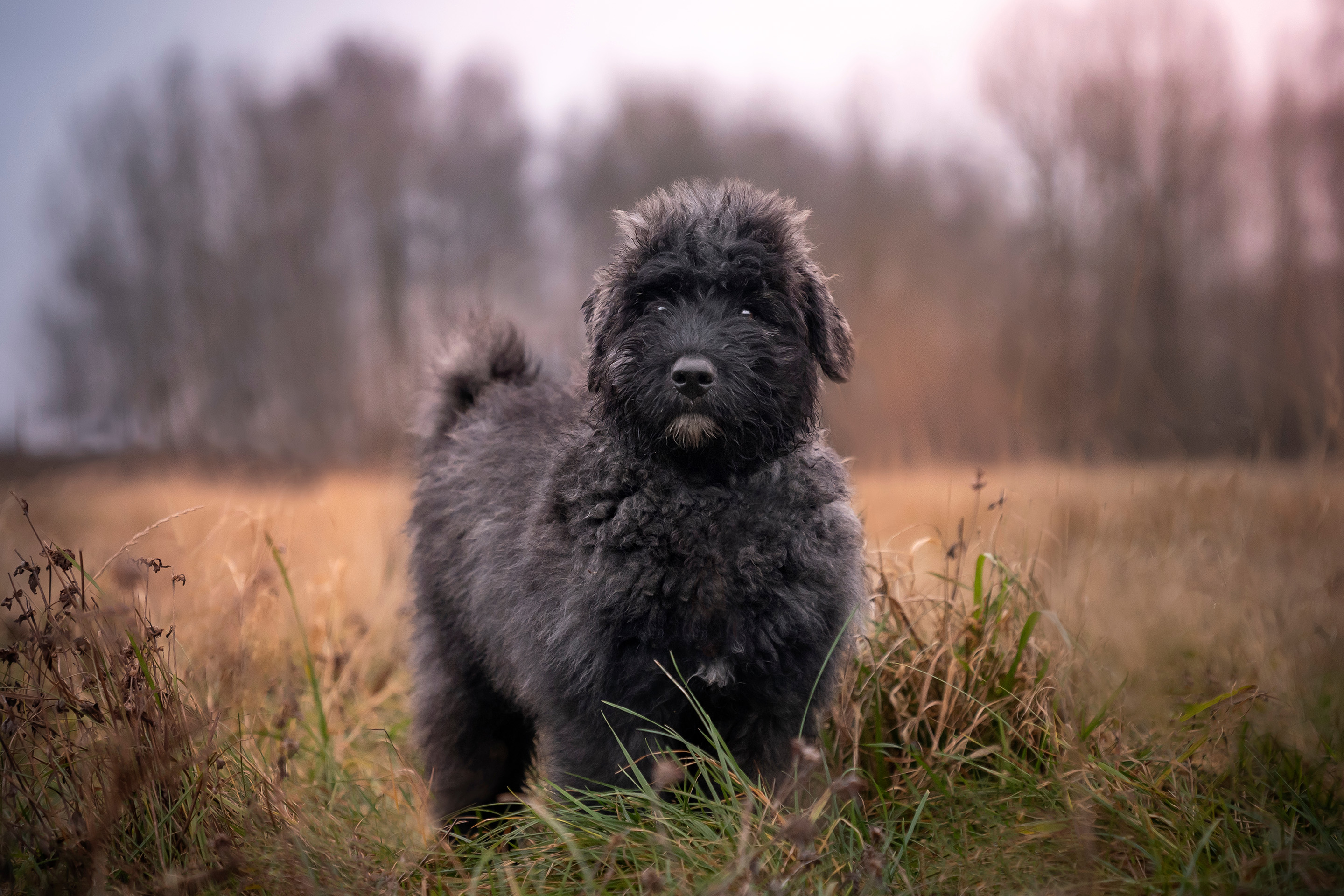
Basics
The Bouvier des Flandres is a large, powerful working dog developed on the farms of Flanders (Belgium), historically used as an all‑purpose “farmer’s dog” for jobs like cattle work and pulling carts. Today, the breed is still valued for its versatility and steadiness, but it thrives best in homes that enjoy training and regular, purposeful activity.
This is not a “set it and forget it” breed. Bouviers tend to mature into loyal guardians who take their role seriously, and they do best with owners who can provide structure, early socialization, and consistent boundaries. With the right guidance, many also enjoy a wide range of dog sports and service-style work.
Description
The Bouvier des Flandres is a large, powerful, and versatile herding dog originally bred in Belgium for farm work, including herding cattle, pulling carts, and guarding property. Known for its strength, intelligence, and loyalty, the Bouvier des Flandres has transitioned from a working farm dog to a dependable companion and protective family member.
Physically, the Bouvier des Flandres has a rugged, muscular build with a thick, double coat that is rough and weather-resistant. Its coat can come in various colors, including brindle, black, gray, and fawn. The breed’s distinctive beard, mustache, and bushy eyebrows give it a dignified, somewhat imposing appearance. Despite its sturdy size, the Bouvier is agile and athletic, capable of handling a variety of physical tasks.
Temperament-wise, the Bouvier is loyal, courageous, and protective, making it an excellent guard dog and family companion. It is intelligent and eager to please but can also be independent and strong-willed. Bouviers are typically gentle and affectionate with their families, including children, but may be reserved with strangers. Early socialization and training are essential to ensure they develop into well-mannered, confident dogs.
Training a Bouvier des Flandres is typically effective with consistency and positive reinforcement. The breed is highly trainable and excels in obedience, agility, and even police or military work. However, it requires an experienced owner who can provide firm, fair leadership without harsh methods.
The Bouvier is an active breed that thrives with regular exercise and mental stimulation. It enjoys activities such as long walks, playtime, and tasks that challenge its working instincts. Despite its size, the Bouvier is adaptable and can do well in various living situations as long as it gets enough physical and mental activity.
Overall, the Bouvier des Flandres is a devoted, intelligent, and hardworking breed. It is best suited for active families or individuals who can provide the leadership, training, and exercise it needs. With proper care, the Bouvier is a loyal and loving companion that excels in both working roles and as a family pet.
History
The Bouvier des Flandres, whose name translates to “Cowherd of Flanders,” traces its roots to the agrarian landscape of the Flanders region along the border of present-day Belgium and France. Historically, local farmers bred these robust dogs as true working companions, using them for a variety of tasks such as herding cattle, pulling carts, and guarding homesteads. The exact bloodlines leading to the modern Bouvier are not fully documented, but likely include a mix of Belgian Mastiff, local farm dogs, and possibly the now-extinct Bullenbeisser (a forerunner of today’s Bulldogs). Selective breeding focused on creating a dog with power, endurance, and a no-nonsense approach to work.
By the late 19th century, the Bouvier’s value to farmers across Flanders was well-established. Even so, the breed remained relatively unknown outside its rural homeland. World War I nearly spelled disaster for the Bouvier des Flandres, as the conflict devastated Belgium’s countryside. Many working dogs perished alongside their handlers, or were simply left abandoned in the chaos of war. A few dedicated breeders recognized the breed’s importance and salvaged whatever stock they could. Through careful selection and breeding after the war, they slowly rebuilt the population.
In the 1920s, the breed’s resurgence gained momentum. Standardized breeding programs emerged, and dog clubs helped promote the Bouvier’s characteristics: a rugged build, a rough, weather-resistant coat, and a level-headed temperament. Interest in the Bouvier also spread beyond Belgium’s borders, prompting recognition by kennel clubs in Europe and North America. The American Kennel Club (AKC) granted the breed official recognition in 1931.
Today, the Bouvier des Flandres still upholds its working heritage. While some continue to serve as herders or draught dogs, many excel in police work, search and rescue, and various canine sports, thanks to their keen intelligence and dependable nature. They’re also cherished as loyal family companions, reflecting a history grounded in versatility, resilience, and service to the people of Flanders.
Traditional Bouvier des Flandres Roles
Appearance
Bouviers are compact, strongly built, and short-coupled for their size, giving an impression of power without clumsiness. Their expression is often described as alert yet sensible, with the characteristic beard and moustache contributing to the breed’s famously “forbidding” look.
The coat is a hallmark: a harsh, abundant outer coat over a dense undercoat that helps the dog work in rough weather. Color is typically in the range of fawn through black (including brindle), and a small white star on the chest may be seen. Many standards describe the coat as intentionally rugged and unkempt-looking rather than fluffy or curly.
Colors
• Black
• Black & Brindle
• Black & Brown
• Black & Fawn
• Black & Gray
• Black & White
• Blue
• Blue & Gray
• Brindle
• Brown
• Fawn
• Gray
• Gray Brindle
• Pepper & Salt
• Silver & Gray
• White
Health
Bouviers are often described as generally healthy, but like many large working breeds they have known risks. Orthopedic issues such as hip and elbow dysplasia are common screening priorities, and responsible breeders frequently document results through organizations like OFA (or comparable registries).
Breed health programs commonly emphasize routine checks and testing for eyes, heart (including screening for subaortic stenosis), and thyroid function, alongside orthopedic evaluations. Owners should also be aware of deep-chest risks like bloat/GDV and learn the signs of an emergency. For puppies, choosing a breeder who performs recommended health testing and can explain results is one of the most important health decisions an owner can make.
Care
Grooming is a real commitment. The Bouvier’s double coat benefits from thorough brushing/comb-through at least weekly (often more during shedding seasons) to prevent mats, especially in friction areas like behind the ears, in the beard, and around the legs. Many owners keep the coat neatly shaped with periodic trimming while preserving the breed’s naturally rugged look.
Daily life care includes cleaning and drying the beard after meals or messy play, checking ears, keeping nails short for sound movement, and maintaining good dental hygiene. As a large, deep-chested breed, many owners also follow common bloat/GDV risk-reduction habits around meals and exercise (and discuss preventive gastropexy with their veterinarian).
Training
Start early and keep training consistent. Bouviers are smart, strong, and capable of independent decision-making—excellent traits in a working dog, but they can turn into stubbornness if rules are unclear. Short, upbeat sessions with clear expectations and rewards usually work better than repetitive drilling.
Prioritize socialization (people, places, sounds, handling/grooming) and foundation skills like leash manners, calm greetings, and reliable recall. Many Bouviers excel when training is given a purpose—obedience, tracking/scent work, herding-style activities, carting/draft work, or other structured sports that build teamwork.
Temperament
A well-bred Bouvier des Flandres is typically calm, sensible, and steady—confident without being reckless. They often bond strongly to their household and can be naturally watchful, making them quick to notice changes in their environment.
Because they’re intelligent and purposeful, Bouviers usually want a job, even if that “job” is structured training, hiking, obedience work, or learning household routines. Without enough direction and engagement, a bored Bouvier may invent their own work (often in ways an owner won’t appreciate), so thoughtful mental enrichment matters as much as physical exercise.
Lifestyle
Bouviers tend to do best with an active, involved household rather than a low-interaction routine. They usually enjoy daily exercise plus “thinking work” (training, scent games, problem-solving), and many are happiest when they can be near their people while still having clear rules and a place to settle.
Space helps, but it’s not the only factor. A Bouvier can live in a home without a huge yard if their exercise and enrichment needs are met, but they are rarely suited to being left alone for long stretches with little stimulation. Expect a dog that notices what’s going on, prefers routine, and benefits from calm, consistent leadership.
Ownership
Owning a Bouvier des Flandres is most rewarding for people who want a true working partner: a dog that’s capable, trainable, and naturally protective, and who will take cues from a confident handler. First-time owners can succeed, but only if they’re prepared to learn, commit to training, and manage a large, strong dog thoughtfully.
When selecting a puppy or adult, look for a breeder or rescue that prioritizes stable temperament, provides proof of recommended health testing, and supports buyers with guidance on grooming and training. Plan and budget for professional grooming (if you won’t do it yourself), high-quality nutrition, and ongoing training—these aren’t optional extras for this breed, they’re part of responsible ownership.
Interesting Facts
- Developed as an all-purpose farm dog in Flanders (Belgium), historically used for cattle work and cart pulling.
- Distinctive harsh beard and moustache are signature features in multiple breed standards.
- Built compact and powerful, with a weather-resistant double coat designed for hard work.
- Commonly participates in many activities (e.g., obedience, tracking/scent work, herding-style work, agility, carting).
- Health screening commonly focuses on hips/elbows, eyes, heart, and thyroid.
- Deep-chested build means owners should learn bloat/GDV warning signs and discuss prevention strategies with a vet.